
How Assisted Living Supports Daily Activities While Preserving Independence
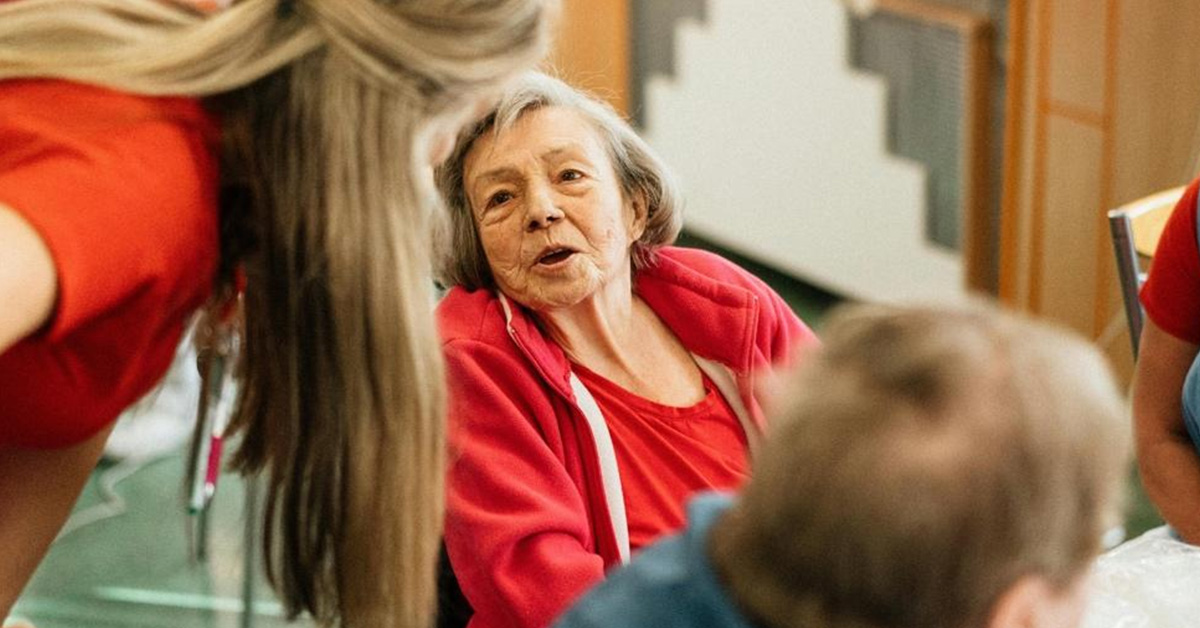
Assisted living communities provide support with ADLs while helping residents maintain independence and agency. Rather than replacing independence, the goal is to make daily life easier and more comfortable so residents can continue focusing on what matters most to them.
Older adults arrive at assisted living in different ways. Some recognize on their own that daily activities are becoming more difficult and decide that additional support would improve their quality of life. Others may not fully realize how much their needs have changed.
In these situations, family members or trusted community staff often help recognize when a higher level of care would provide greater safety and comfort. Whether the move comes directly from home or follows time spent in an independent living community, assisted living offers an environment where residents can receive the support they need while continuing to live with dignity and independence.
For older adults and their families, assisted living offers reassurance that help is available without giving up independence. Communities like ours, which prioritize dignity, respect, and personal choice, focus on creating environments where residents can remain engaged, supported, and connected. At their best, these communities are designed to provide thoughtful support while enhancing the lives of those we serve.
What Assisted Living Is Designed to Do
Assisted living communities are designed to provide practical support that helps residents manage everyday life more comfortably and safely. Staff is available to assist with certain daily tasks while residents continue to make their own choices and maintain their routines.
The goal is to provide support that respects each person’s abilities and preferences. By offering help when needed and encouraging independence whenever possible, assisted living communities help residents remain active, engaged, and connected to their communities.
Understanding Activities of Daily Living
One of the primary ways assisted living communities provide support is through help with Activities of Daily Living (ADLs).
According to the Cleveland Clinic, Activities of Daily Living (ADLs) are the basic self-care tasks people perform each day and are commonly used by healthcare professionals to determine the level of assistance a person may need.
The six commonly recognized Activities of Daily Living include:
- Bathing – washing and maintaining personal hygiene
- Dressing – putting on and removing clothing
- Eating – the ability to feed oneself
- Toileting – using the bathroom independently
- Transferring – moving safely from one position to another, such as from bed to chair or standing
- Continence – managing bladder and bowel function
When one or more of these activities becomes difficult to manage alone, assisted living communities can provide support that helps residents remain safe, comfortable, and as independent as possible.
Assisted living communities are designed to provide support with these activities in ways that respect each resident’s independence while helping maintain comfort, safety, and dignity.
Support That Preserves Independence and Dignity
Assisted living leadership and staff understand that each person has unique needs and routines, and care is usually customized to the individual. Staff work with residents and their families to understand daily habits, comfort levels, and the types of help that will make residents feel confident and supported in their daily lives.
Beyond providing help with specific tasks, assisted living communities also create an environment where residents can continue living with dignity and purpose. Opportunities for social interaction, shared meals, and community activities help residents remain engaged while receiving the support they need.
In our communities, we prioritize compassionate care and connection. The goal is always the same: enhancing the lives of those we serve while preserving independence and quality of life.
A Final Thought
Choosing the best assisted living community is an important decision for older adults and their families.
Understanding Activities of Daily Living (ADLs) and the types of support available can make the transition feel less overwhelming.
If you or a loved one is beginning to explore assisted living options, whether moving from home or transitioning from independent living, learning how assisted living communities support daily activities while preserving independence can help you determine what feels right.
Our focus is always on enhancing the lives of those we serve. Our team is available to answer questions, provide information about assisted living services, and help you determine whether this type of community is the right next step for you or your loved one.
By Jeanne Bellew and Carl Mason
Cleveland Clinic. Activities of Daily Living (ADLs).