
What Happens During an Assisted Living Assessment?
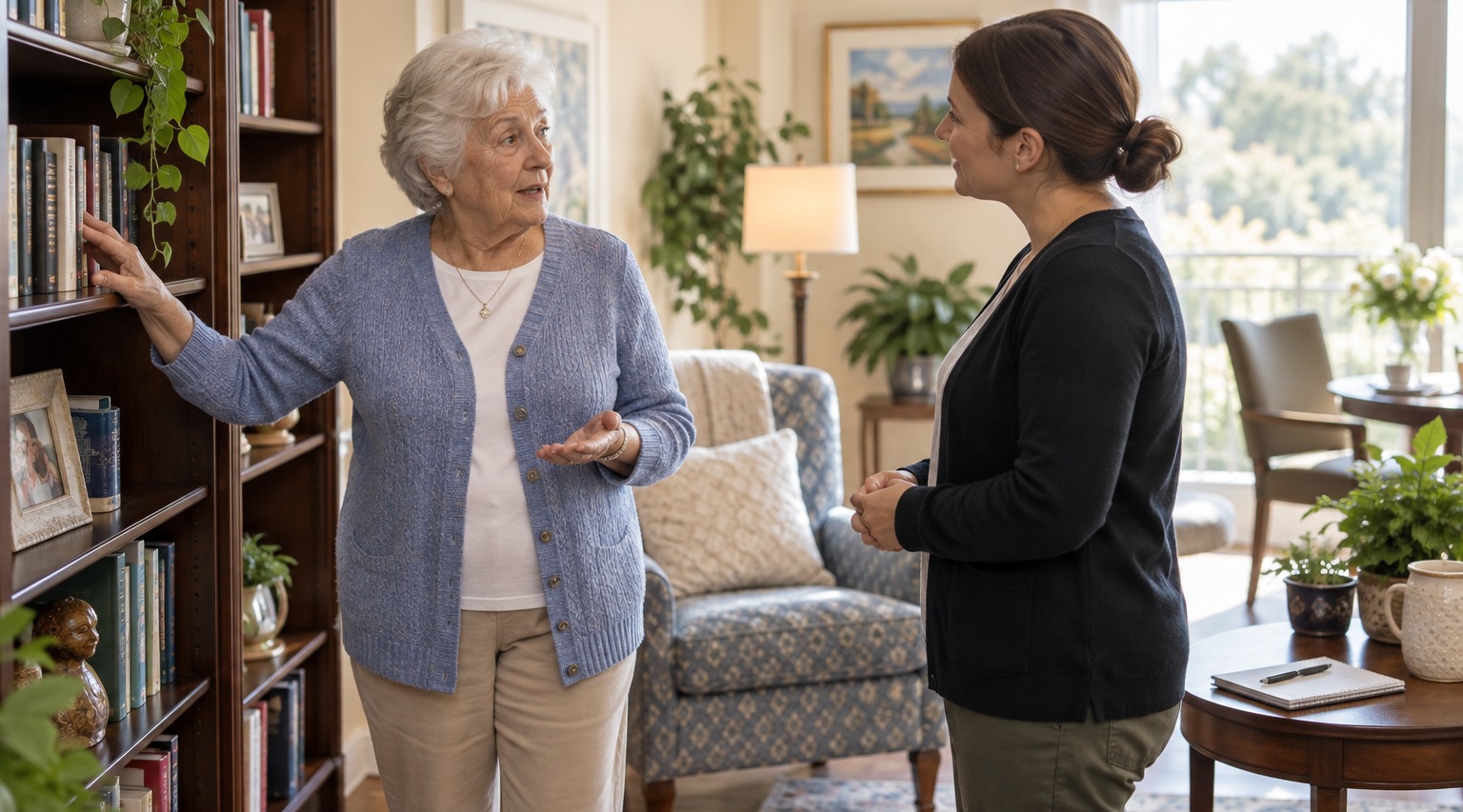
The assessment is not a test of whether someone can be independent. It is a starting point for discussing how support and autonomy can work together. A person may choose to include a family member, friend, or trusted contact, but their own voice should guide the conversation.
The Conversation Usually Starts With Daily Routines
A community may ask about ordinary parts of the day, such as getting dressed, bathing, moving around the apartment, meals, sleep, appointments, and social interests. These questions help a team understand what a person manages comfortably, what takes extra effort, and what kind of assistance might make life feel easier or safer.
It is equally useful to talk about preferences. Does the person prefer a quiet morning? Is there a favorite meal, activity, or faith practice? What helps them feel at ease when meeting new people? Details like these can shape a more respectful and realistic plan than a checklist alone.
Health Information Helps the Community Plan Responsibly
The assessment may also include current health information, mobility needs, medication routines, recent changes in strength or energy, and the names of healthcare professionals involved in care. The purpose is not to diagnose or replace medical guidance. It is to help the community determine whether it can meet the person’s needs and what coordination may be necessary.
Bringing an up-to-date medication list, relevant contact information, and questions about support can make the conversation smoother. When a person is uncertain about an answer, it is appropriate to say so and follow up later rather than guessing.
A Service Plan Should Reflect the Person, Not Just the Tasks
An assisted living assessment often leads to a service plan: a description of the assistance a resident may receive and how the team will support daily life. A strong plan connects practical help with personal priorities. For one resident, support may make it easier to get ready for a favorite activity. For another, it may create more energy for conversation, meals, or time with visitors.
Willamette Manor explains that it works with residents and the people they choose to create a service plan, with the resident at the center of decision-making. Its assisted living page also describes private studio and one-bedroom apartments, a 24-hour call system, meals, housekeeping, and an activities program. These verified details can give prospective residents useful topics to ask about, including how each support is tailored to the individual.
Questions Worth Asking Before the Conversation Ends
A prospective resident and family may want to ask how the plan is reviewed when needs change, who will be the primary contact, and how the resident can share feedback. It can also be helpful to ask how preferences are recorded, how family or friends can stay involved if the resident wishes, and what information the community needs before move-in.
The best questions are the ones that make daily life clearer. Instead of asking only what services are available, a person can ask what a typical day might look like with the support being discussed. This keeps the focus on lived experience rather than labels.
A Chance to Plan With Care
The assessment is one step in a decision, not the whole decision. It gives the prospective resident, family, and community team a shared picture of current needs and hopes for the future. When the conversation is honest and unhurried, it can support a move that preserves as much choice and familiarity as possible.
Senior Housing Managers approaches assisted living as a partnership focused on enhancing the lives of those we serve. A conversation with Willamette Manor can help a prospective resident and the people close to them understand what an assessment may involve and ask questions at their own pace.
By Senior Housing Managers